
Where to celebrate your birthday in Moscow: the best options for an unforgettable party
- Active recreation
- Intellectual entertainment
- Birthday quest
- Birthday with adrenaline
- Art for the holidays
- Birthday on a boat
- Restaurant for a birthday
A birthday is the most important holiday of the year, and you want to celebrate it in a way that is fun, comfortable, and memorable. There are many locations in Moscow where you can organize just such an event. Here is a selection of interesting places where you can celebrate the birthday of your dreams!
Active recreation
A bowling club is the perfect option if you want to spend your holiday actively and recharge with vivid emotions. Bowling brings people together: both those who come to compete and those who just want to cheer will be happy. A healthy spirit of competition, the joy of a strike, and shared jokes about misses create a relaxed and fun atmosphere.
Bowling is also a versatile game: you can come with a group of close friends or a large, noisy crowd. Modern clubs offer lanes that can be combined so that all guests can play together.
Almost all bowling clubs are full-fledged entertainment complexes. There is no need to worry about food and drinks—there is almost always a bar or restaurant with a full menu on site. You can reserve a table to have a snack and socialize after the game or between games.
Important: be sure to book the lanes in advance, especially if the holiday falls on a weekend. Check if you can reserve a separate area with a table for a banquet.
Intellectual entertainment
If your company prefers intellectual entertainment to noisy parties, then a quiz is the perfect solution. You will feel like one team, and the joy of joint victory will be remembered for a long time.
Don't think that quizzes are only for erudite people. Questions usually cover a wide range of topics, from cinema and science to music and film. Everyone on the team has a chance to prove themselves.
Most pubs and anti-cafes hold quizzes regularly. You can join a public event or order a private quiz exclusively for your company. The second option is preferable for a birthday, as the questions can be adapted to the birthday boy or girl.
Birthday quest
If you want your birthday to be a real adventure, book an escape room for the party. It's a complete immersion into another world for a few hours, as well as a test of teamwork and vivid emotions after victory.
You need to approach the choice of quest responsibly. Consider the age of the guests and their preferences. There are non-mystical “escape rooms” and scary horror quests. After completing the quest, you will most likely need a place to discuss the game and continue the party — many escape rooms have cozy lounge areas for this purpose.
Birthday with adrenaline
For those who love speed and thrills, a birthday at a go-kart track is an excellent choice. It is not risky—modern go-kart centers pay great attention to safety. All guests undergo mandatory training and receive protective equipment. The cars are reliable and easy to control.
It is important to note that guests should not have any health restrictions. It is also important to have a change of shoes with flat soles. After active racing, guests are sure to be hungry, so it is worth choosing a karting center with its own café or arranging catering.
Art for the holidays
For those who appreciate beauty, a trip to the theater is an excellent option. The key point is the ability to reserve a table before or after the performance. This will allow you to combine a cultural program and a festive dinner in one space.
It is important to remember that it is better to buy tickets for the performance and reserve a table several weeks or even months in advance, especially if it is a popular production.
Birthday on a boat
If you are looking for a place to celebrate an anniversary or other important event, you can do so on a boat that cruises along the Moscow River. Beautiful views, privacy, and a variety of entertainment options—from dancing to games—will help you create a truly memorable celebration.
Keep in mind that this is one of the most expensive options, which also requires careful planning. You need to book the boat in advance. Carefully study the service packages on offer: the duration of the trip, the menu, the availability of heating or air conditioning, the possibility of inviting musicians, and so on.
Restaurant for a birthday
If you are a fan of the classics, that's fine too: just choose a good restaurant where you can have fun celebrating your birthday!
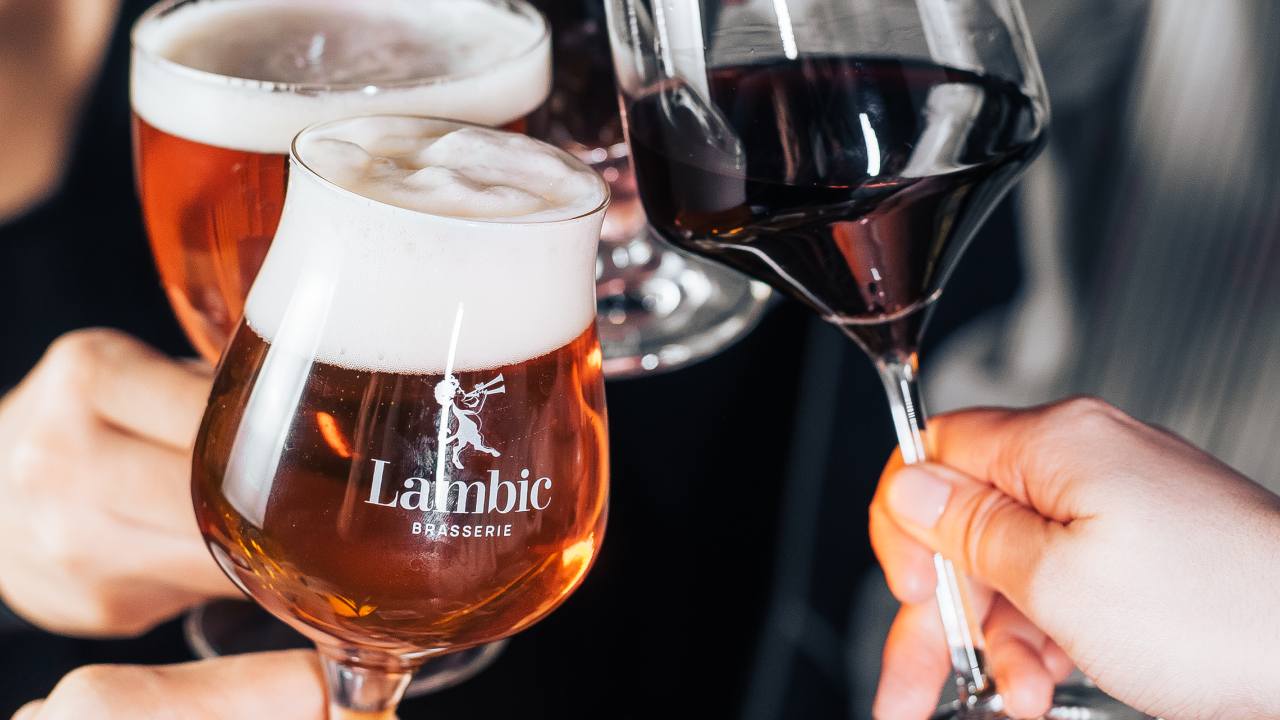
In Moscow, the best place for your celebration is the Lambic restaurant. It seems to have everything your guests will love: a cozy atmosphere, excellent service, a large selection of dishes and drinks, including what is arguably the best beer list in the capital.
We offer special conditions for birthday boys and girls: a 15% discount on the entire menu on your birthday and for 6 days after. To receive the discount, you need to present your LambicClub card (it's very easy to get one) and your passport.
We are happy to welcome you any day, but if you are planning to celebrate a birthday with a large group, it is best to book a table in advance on our website. It's quick and easy, and we will be ready to create an unforgettable celebration for you. See you at Lambic!


Beer and desserts
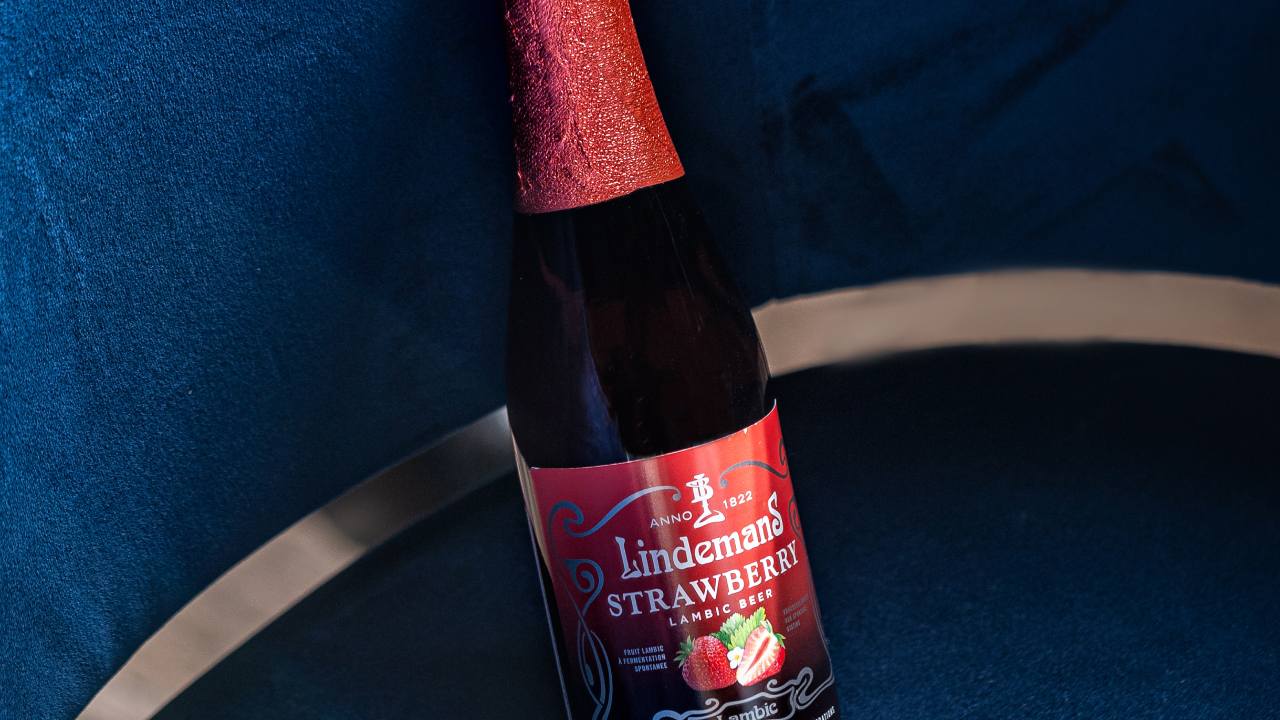
Contents The basic rule What to drink with Lambic desserts There is a stereotype that beer is a drink for salty snacks, smoked meats, and fatty foods. However, this is only partly true. Beer, with its incredible variety of styles, textures, and flavors, can be the perfect accompaniment to desserts. The right combination can enhance the taste of both the dish and the drink itself. Let’s take a look at how to drink beer with sweet foods and which combinations work best. The basic rule Dessert and beer should not compete with each other, but should either complement each other or create a pleasant contrast. Fatty, sweet dishes should be paired with fairly strong, intense beer. Desserts with berries or fruit are an excellent accompaniment to sweet beer with fruity notes. These can be not only juice-based varieties, but also, for example, wheat ales with notes of banana and citrus. For creamy, vanilla-based desserts, such as panna cotta, denser, malty styles of beer are the perfect accompaniment. English porters, mild stouts, and creamy ales have a caramel, nutty, or even slightly chocolatey sweetness that does not conflict with milk fats but envelops them, making the taste more rounded and deep. Chocolate, especially dark chocolate, pairs best with dark ales: imperial stout or porter. The bitter aftertaste of dark beer nicely offsets the sweetness. Lambic, a traditional Belgian spontaneously fermented beer, occupies a special place in the world of beer and is ideal for desserts. Its dry, often very complex flavor makes it an ideal pairing for many sweet dishes. What to drink with Lambic desserts Our menu features several wonderful desserts that can serve as a full-fledged appetizer to accompany beer. Let us tell you what to pair them with. Pistachio roll with raspberries This dessert combines nutty depth, the sweetness of creamy custard, the bright acidity of raspberries, and the freshness of mint. You need a beer that will support the nutty and berry notes, but also balance the creamy texture. We recommend a cherry lambic or Belgian fruit ale. Cherry lambic, with its sour profile and almond notes in the aftertaste, will perfectly complement the pistachio, harmonize well with the raspberries, and refresh the palate after the rich cream. An alternative is a less sour Belgian raspberry or cherry ale, which will enhance the berry flavor of the dessert. Gelato and sorbet The most important thing here is the purity of the fruit or cream flavor and the cold texture. The beer should be refreshing, with a bright aroma and good carbonation, so that it does not seem «flat» against the ice cream. A sour ale, such as a gose, is ideal for fruit sorbet. Its salty-sour taste will contrast well with the ice cream and emphasize its fruitiness. Creamy gelato is best served with a wheat ale, which will help to delicately highlight the vanilla. Brownies with salted caramel and ice cream This dessert offers a variety of flavors and textures: the bitterness of chocolate, the sweetness of caramel, and the coolness of ice cream. The beer should be just as powerful to cut through this palette. An interesting choice would be to serve an imperial stout. This drink, with its notes of roasted coffee, dark chocolate, and caramel, will be a harmonious complement to the brownies. Belgian waffle with strawberries, ice cream, and hot chocolate This dessert has many layers: a light waffle, sweet berries, cold ice cream, and thick chocolate sauce. It needs to be paired with a beer that will cleanse the palate and enhance the complexity of the flavors. We recommend Belgian dubbel. This variety, with its aroma of dark dried fruits, caramel malt, and light spice, will perfectly complement both the waffle and the chocolate sauce. Tiramisu kataifi with homemade nut liqueur This dessert is a more complex version of the classic: crispy kataifi pastry, coffee, delicate mascarpone cream, berries, and nutty and alcoholic notes of syrup and whiskey. You need a beer that will go well with coffee and nuts without overpowering the cream. An imperial stout is perfect here. A drink with roasted notes and coffee tones will enhance the chocolate and coffee character of the dish. When choosing desserts to accompany beer, follow the general principle: complex with complex, and vice versa. For example, if you don’t know what to pair with a sweet beer, serve it with your favorite fruits or berries. In turn, drinks with a more multifaceted flavor will be a good match for equally exquisite desserts. And if you don’t want to choose for yourself, just come to Lambic. Our menu features hundreds of varieties of beer, and we will be happy to recommend the perfect accompaniment. We also offer a cozy atmosphere and excellent service. We look forward to seeing you!
26 December 2025
Autumn and winter styles of Belgian beer: what to drink when it's cold outside
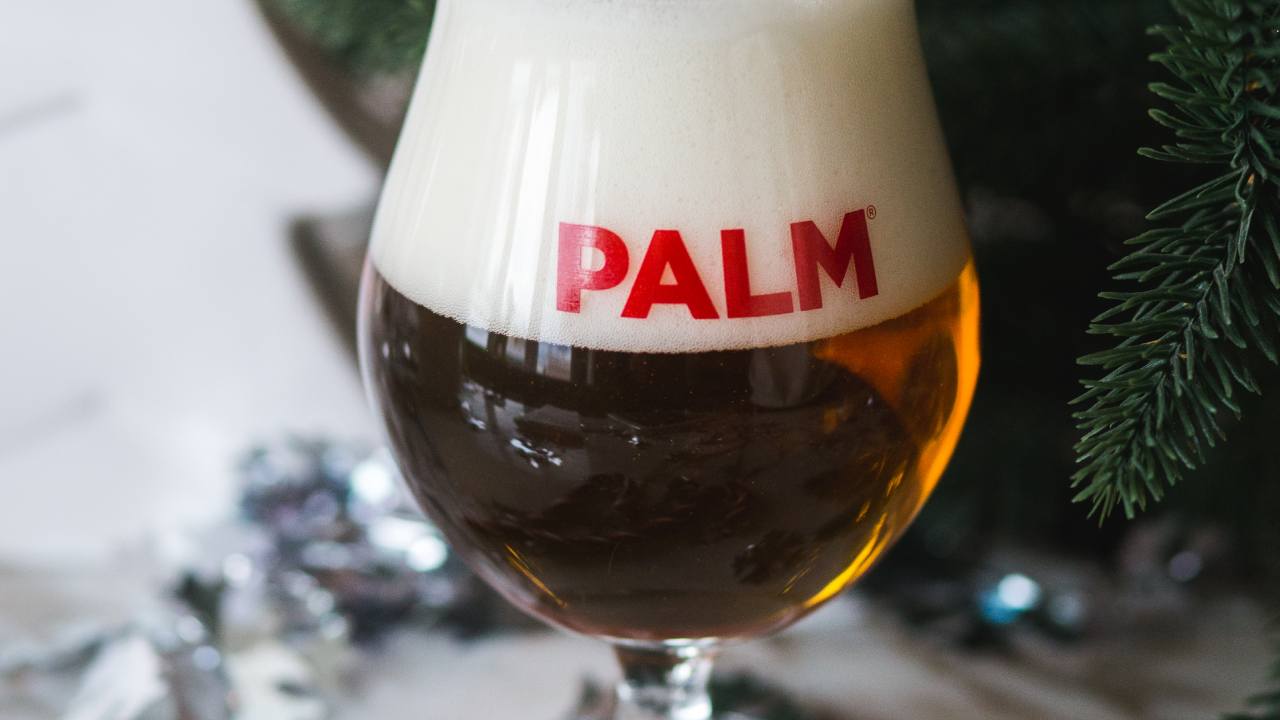
Contents Why do we crave strong beer in cold weather? Choosing autumn beer What to pair it with There is a stereotype that beer is exclusively a summer drink: it is refreshing and quenches thirst in hot weather. But this is only partly true — if you choose the right variety, beer can warm you up and give you a feeling of comfort even in the cold season. Let’s figure out which beer — and with what — is best to drink in autumn and winter. Why do we crave strong beer in cold weather? When the temperature outside drops, the body instinctively seeks sources of heat and energy. Light summer beer cannot warm you up, so it is replaced by something thicker and more aromatic. This is because its rich malty flavor with notes of caramel, dried fruit, and spices, as well as its higher alcohol content, create a long-lasting, deep feeling of inner warmth. Choosing autumn beer Belgium is one of the world leaders in creating these warming varieties of beer. Here are the key styles to look out for in autumn and winter. Dubbel This dark ale has a moderate strength (6–8%). Its taste is a harmony of caramel malt, dark dried fruits (raisins, prunes), light spicy notes, and sometimes a subtle chocolate depth. Dubbel is not too heavy, but rich, and is perfect for leisurely drinking. An excellent example of this type of beer is Westmalle Trappist Dubbel. It is a classic Belgian dubbel with an alcohol content of 7%, with a well-balanced taste, filled with sweet notes of fruit and malt, as well as hints of spices and caramel. Dark strong ale A more powerful version of winter beer. The alcohol content often exceeds 8%, and the taste includes ripe fruit, caramel, spices (pepper, coriander), and hints of rye bread. Despite its strength, this beer is very drinkable. Here you can try varieties such as Kasteel Donker or Adriaen Brouwer Oaked. They have a full, rich taste, warm you up and relax you. Trappist beer Legendary beer that has historically been brewed in monasteries. This includes dubbel, tripel, quadrupel, and dark strong ales. But regardless of the variety, Trappist beer is characterized by incredible depth, richness, and a balance between fruity, malty, and yeasty notes. We recommend paying attention to varieties such as Westmalle Trappist Dubbel and Trappistes Rochefort 6 — they are ideal for drinking during the cold season. Spiced beer Many Belgian breweries produce seasonal winter or Christmas varieties. They often add traditional spices such as cinnamon, ginger, nutmeg, and orange peel. Such beer warms you up not only with its strength but also with its spicy bouquet. For the Christmas holidays, we recommend Chimay Blue — this variety was previously produced specifically for the holiday, but due to its popularity, it is now produced on a permanent basis. It has a sweet and tart taste and a long aftertaste with bright hints of pepper. What to pair it with The rich flavor of Belgian winter varieties pairs well with equally rich dishes. The ideal gastronomic accompaniment would be: — Slow-cooked meat dishes: braised beef cheek, pork ribs, lamb. — Roasted and baked meat: steak, duck, goose, Christmas turkey. — Hearty appetizers and cheeses: meat pâtés, smoked meats, aged hard cheeses (such as Gouda or Cheddar), blue cheeses (Gorgonzola). The pairing is based on contrast — the sweetness of the beer and the saltiness of the appetizer. — Warm desserts: apple or pear pies, dark chocolate mousse, gingerbread cookies. The spicy notes in the beer and dessert will echo each other, creating a harmonious duet. Key advice: drink winter Belgian beer slowly, from a suitably shaped glass, allowing it to warm up slightly in your hands. Better yet, come and try it at Lambic beer restaurants. We will help you choose an interesting variety and recommend the perfect snack to accompany dark beer. We look forward to seeing you!
26 December 2025